Evaluating the Benefits and Drawbacks of Purchasing Scrap Gold During Financial Instability
Wiki Article
Financial turmoil often causes investors to pursue investment options that can help protect value during times of volatility. Scrap gold has gained attention as an alternative method of gold allocation because it is connected to the broader gold market while providing a distinct entry point than coins. Scrap gold includes items such as used jewelry, broken gold pieces, and industrial gold components that still hold usable metal. Recognizing how scrap gold functions within the gold market is important before considering it as part of an investment strategy during times of economic stress.
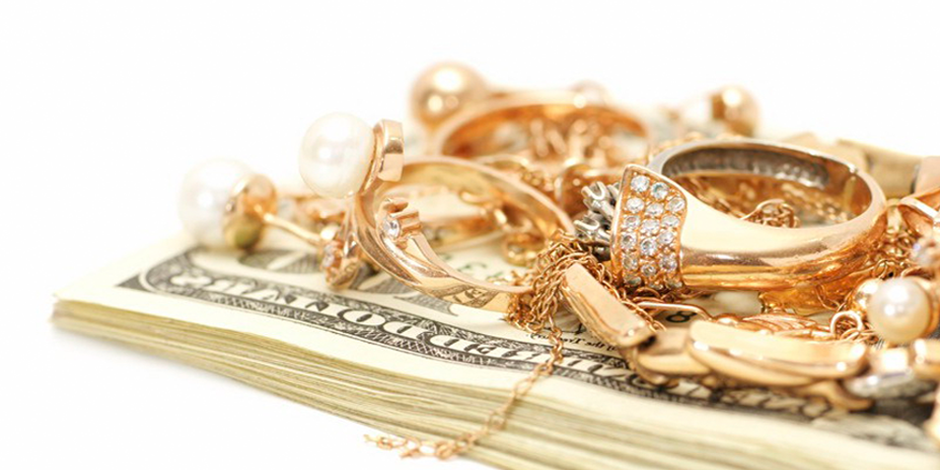
One of the primary advantages of investing in scrap gold is its relationship to gold’s historical function as a store of wealth. Gold prices often react positively to price increase pressures, currency decline, and economic volatility. Scrap gold typically sells at a discount compared to processed gold products, which may allow investors to gain gold exposure at a lower upfront expense. In addition, scrap gold can be more tradable than some nontraditional assets, as it can be sold to processors, dealers, or recycling companies that value it based on gold composition and fineness. These factors can make scrap gold appealing to those looking for diversification during unstable economic conditions.
Scrap gold also offers adaptability that traditional gold holdings may not provide. Since it comes in many types and sizes, investors can purchase it in modest quantities, which may suit constrained budgets. This accessibility allows for incremental accumulation rather than large one-time purchases. Scrap gold investing can also support material recovery and reuse, which corresponds with broader environmental efforts in the precious metals industry. These practical benefits may add to its appeal during periods when investors are careful about committing large amounts of capital.
Despite these benefits, scrap gold presents important drawbacks that require careful evaluation. One major concern is pricing precision, as the true worth of scrap gold relies on purity, weight, and prevailing market prices. Without proper verification and assessment, investors may overpay or miscalculate the metal quality. Refining and conversion costs can also limit overall returns, especially for small quantities. In comparison, scrap gold prices still fluctuate with the broader gold sector, meaning it is not protected to heritage conservation projects value drops during shifts in market confidence.
Compliance and industry risks further affect scrap gold investments. Local regulations, licensing requirements, and reporting rules can affect how scrap gold is bought and transacted. The market may also be less clear than standardized gold products, increasing the importance of working with reputable dealers and processors. While scrap gold can function as a limited safeguard during economic volatility, it should be considered as one component of a balanced investment approach. Informed research, due diligence, and an awareness of gold pricing behavior are required to making well-informed decisions in challenging economic environments.